

Healthy screen habits for growing eyes and minds
Let us be honest about parenting in 2026: digital screens are everywhere. At Utsav Eye Clinic, when I talk to parents of toddlers and preschoolers about screen time, I can see the guilt in their eyes. Whether it is a quick video call with grandparents, an educational rhyme video while cooking dinner, or a rainy afternoon cartoon, screens have become a real part of modern family life.
As an eye specialist and a parent, I do not tell parents to live in an impossible fantasy world where screens do not exist. Telling a tired parent to enforce zero screen time often creates unnecessary stress.
Instead, my goal is to give you a realistic, practical framework to protect your young child’s eyes from digital strain and early nearsightedness while navigating everyday life.
The cornerstone of this approach is a simple habit called the 20-20-20 Rule, adapted specifically for children under five.
Why Developing Eyes Under 5 Need Extra Care
A toddler’s visual system is growing faster between ages one and five than at almost any other time in life. Their eye tissues are soft, flexible, and highly sensitive to environmental habits.
When young children watch a video on a smartphone or tablet, two things happen automatically:
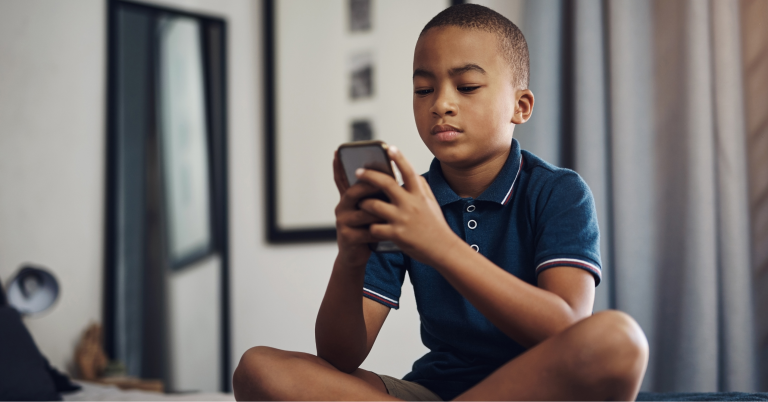
- Intense Near-Focusing: Toddlers hold devices very close to their faces—often just 5 to 8 inches away. This causes the internal focusing muscles of the eye to clamp down continuously.
- Reduced Blinking: Staring at colorful, fast-moving animation reduces a toddler’s natural blink rate by up to 50 percent. This leads to dry, scratchy eyes, causing kids to rub their eyes after watching videos.
Recent global health studies confirm that long hours of continuous near-work, combined with staying indoors away from natural daylight, is the primary driver behind the sharp rise in childhood nearsightedness (myopia).
Adapting the 20-20-20 Rule into a Fun Game for Toddlers
The standard 20-20-20 rule states: Every 20 minutes, look at something 20 feet away for 20 seconds.
While an adult can set a phone alarm and follow this rule easily, a three-year-old absorbed in a story will not look at a clock. You can turn this rule into an interactive game called “The Window Explorer Game”:
- Every 20 minutes of screen time: Pause the video and hold your toddler’s hand.
- Walk to a window or balcony: Ask them to spot something far away outdoors—like a green tree, a flying bird, a red car, or a cloud.
- Count out loud together for 20 seconds: “1, 2, 3… can you see the bird flapping its wings?”
This 20-second game allows your toddler’s eye muscles to relax completely, resets their natural blink rhythm, and breaks up continuous near-strain effortlessly.
4 Actionable Screen Strategies for Parents of Under-5s
Beyond the 20-20-20 game, here are four practical adjustments you can make at home today:
1. The “Arm’s Length” Distance Rule
Never let your toddler hold a smartphone or tablet right against their chest or face. Place the tablet on a table stand or hold it yourself at least 14 to 18 inches away (roughly the length of an adult forearm). For televisions, ensure your child sits at least 6 to 8 feet away from the screen.
2. Prioritize 90 Minutes of Outdoor Daylight Daily
Outdoor play is a natural protector against nearsightedness. Exposure to bright natural daylight triggers the release of retinal dopamine, which prevents the eyeball from growing too long. Make sure your child spends 60 to 90 minutes outdoors every day—whether playing in the apartment garden, running in a park, or riding a tricycle.
3. Keep Room Lighting Bright and Even
Never allow your child to watch videos in a dimly lit or dark bedroom. High contrast between a bright glowing screen and dark surroundings increases eye fatigue and glare. Keep warm, bright ambient room lighting on whenever screens are in use.
4. Create a “No-Screen Hour” Before Bedtime
Blue light from screens tricks a child’s brain into suppressing melatonin, the natural sleep hormone. Turning off all screens at least 60 minutes before bedtime helps your toddler fall asleep smoothly and enjoy deep, restorative sleep.
How Screen Glare Affects Toddler Tear Film
Parents often ask why their young kids rub their eyes so aggressively after 20 minutes of tablet use.
A toddler’s tear film—the microscopic layer of moisture covering the cornea—is thinner than an adult’s. Staring at bright LED screens slows down their natural blink rate. As a result, the tear film evaporates quickly, leaving microscopic dry spots on the cornea.
When your toddler rubs their eyes, they are trying to stimulate tear production to relieve that dry, scratchy feeling. Following the 20-20-20 rule restores healthy tear spreading naturally without needing medication.
Simple Home Relief for Tired Toddler Eyes
If your child rubs their eyes or seems irritable after watching a video, try these gentle home relief steps:
- Clean Water Splash: Wash your child’s face with cool, clean water to soothe eye irritation naturally after screen time or outdoor play.
- Warm Palm Hugs: Rub your palms together until warm, then gently rest your cupped hands over your child’s closed eyes for a minute while telling a soft story.
A Positive Path Forward
You do not need to feel guilty about modern technology. By teaching your child smart screen distance, playing the 20-20-20 window game, and prioritizing outdoor play, you can confidently protect your child’s visual health while letting them enjoy the modern world.
Regular eye checkups during early childhood ensure your toddler’s visual system develops symmetrically, giving them clear sight, 3D depth perception, and total spatial confidence for learning and play.
5. References & Credibility Standard
- All India Ophthalmological Society (AIOS). (2025). Pediatric Eye Care & Myopia Management Guidelines. AIOS Guidelines.
- American Academy of Pediatrics (AAP). (2025). Visual System Assessment in Infants, Children, and Young Adults. Pediatrics, 148(5).
- World Health Organization (WHO). (2025). Myopia Prevention and Outdoor Exposure in Children. WHO Health Reports.
Author Bio:
Dr. Anand Kumar, MBBS, MS (Ophthalmology), is a Senior Consultant Ophthalmologist and Medical Director at Utsav Eye Clinic in Navi Mumbai. With over 15 years of clinical experience, Dr. Kumar is passionate about educating parents on preventive eye care, early childhood vision alignment, and healthy screen habits for toddlers and young children.