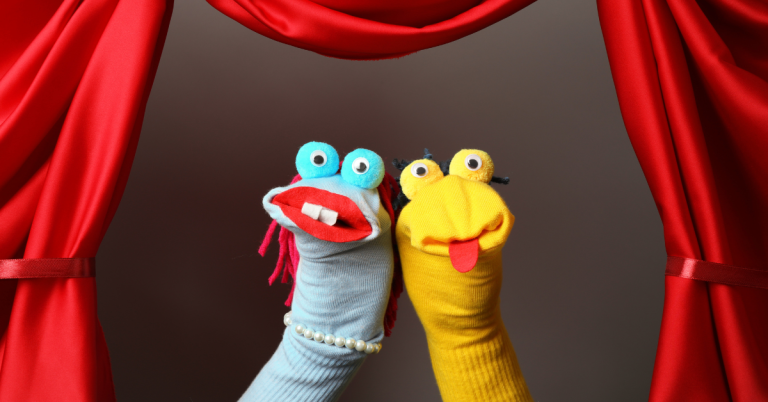

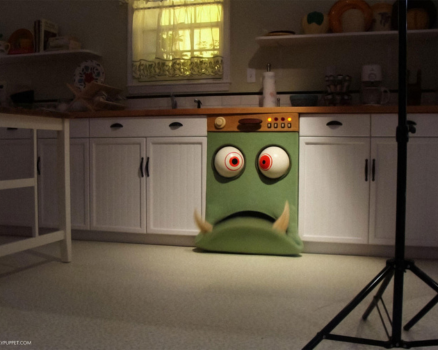
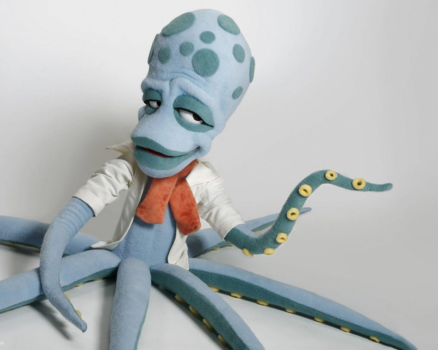
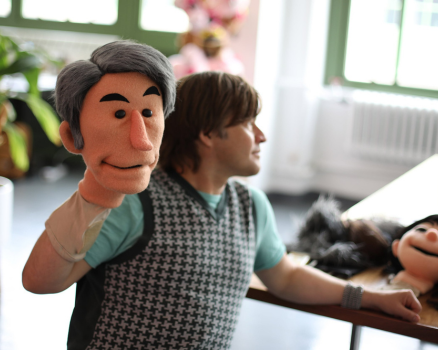
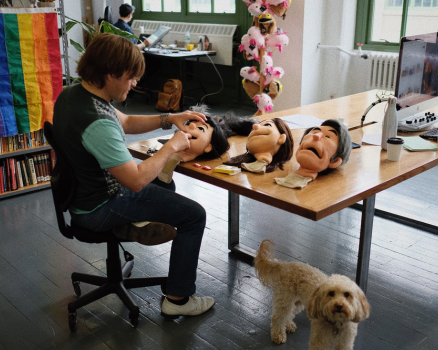
I am Zack Buchman, founder and Creative Director of Furry Puppet Studio, a custom-puppet design studio in SoHo, New York. We build puppets for television, music videos, advertising, and the occasional project nobody can quite categorize. I spend my days designing faces out of foam and fabric. So when people ask me whether puppets still matter in a world full of screens, the answer is pretty obvious to me.
Here is the short version. A puppet is the rare bit of storytelling you can hold in your hands. And I think that changes everything about our relationship with it.
Why we believe a puppet
There is a moment I never get tired of. You hand someone a puppet, or you perform one in front of them, and you can see the brain quietly decide to go along with it. The person knows there is a hand inside. They can see the puppeteer standing right there. None of that stops the character from feeling alive. We call it the suspense of disbelief, and we all feel it. Adults and children alike.
Part of this comes down to something almost embarrassingly simple: a puppet is really there. Even the best animation on a screen is a story happening somewhere else. A puppet is happening in the room with you. Instead of only watching, your own imagination has to do a little of the work to keep it alive. A screen rarely lets you feel like you are part of the story. A puppet cannot do anything else.
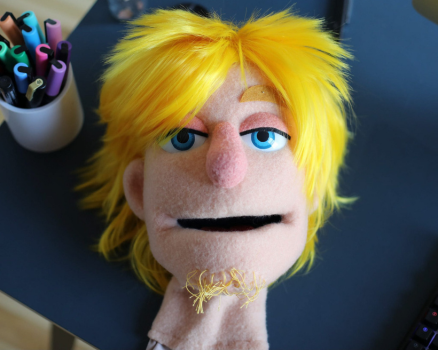
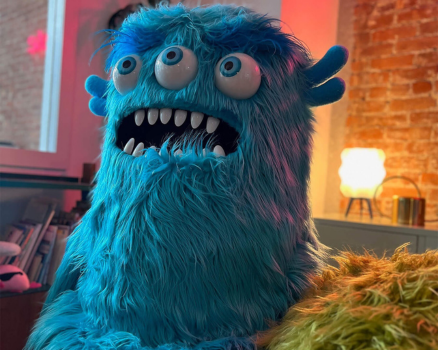
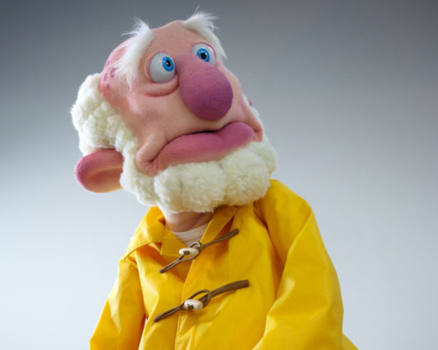



How can puppets empower
In a classroom, some students freeze the moment a teacher calls on them directly. Hand everyone a puppet and ask the exact same question, and something shifts. The puppet becomes a kind of permission slip. The usual fear of being wrong or being watched in front of the room gets much smaller.
I see this with the toughest audiences of all, teenagers, and with three-year-olds just the same. Once someone is voicing a character, they are doing a surprising amount of work without noticing. They are inventing a personality, choosing words, reading the room, deciding what happens next. That is storytelling, empathy, and improvisation all at once, and it feels like play the entire time. The best learning usually does.
Puppets in the actual classroom
This is not a nostalgia piece. Puppets are doing real jobs in education right now.
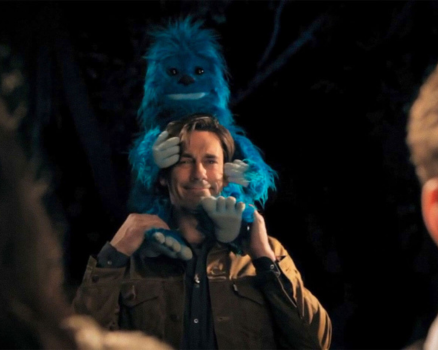
Last year we built a character named Frankie Focus for New York State’s phone-free schools program. His whole job is to get students thinking about their own screen time, which is a funny assignment to hand a puppet. He has gone on to a life we did not plan for, including a turn on primetime television, but what actually stuck with me is simpler than any of that. A message about putting the phone down lands completely differently coming from a puppet character than it does coming from an adult standing at the front of a room.
I keep coming back to that, because it captures what puppets do best. The character carries the idea past defenses that go up the moment anyone feels like they are being lectured. Teachers have known this for a very long time. The technology around us keeps changing, but our humanity is just the same.
Making one is half the lesson
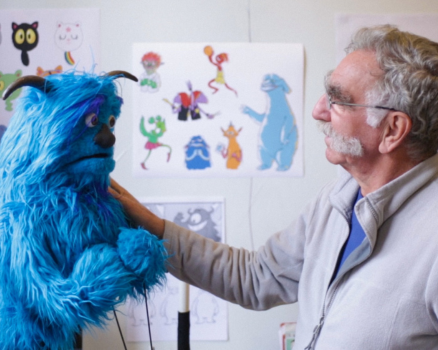
If you really want a child to learn from a puppet, let them build it. Our process at the studio is not so different from what a kid does at a kitchen table. We sketch, we talk about who the character is, we shape it, and then comes the most consequential part, which is the eyes. The placement of the eyes can completely change who a character turns out to be. Move them a millimeter and it can change the whole thing.
A child making a puppet is quietly practicing design, problem solving, and patience, and then they get an open-ended tool that encourages pretend play. It does not get any more fun and enriching than that.
Try this at home
You do not need a studio. You need a sock, a couple of buttons or two ping pong balls for eyes, and some glue. The only rule is that you allow the child to experiment and play around with it. They’re the creative director and you’re there to assist. It can be extremely empowering for them. You’ll find yourself surprised by how much you fall in love with their final art. Then talk with the puppet. The story will arrive on its own.
Zack Buchman is the founder and Creative Director of Furry Puppet Studio, a custom puppet design studio in SoHo, New York. The studio creates custom puppets, creatures, and mascots for television, advertising, and music videos.